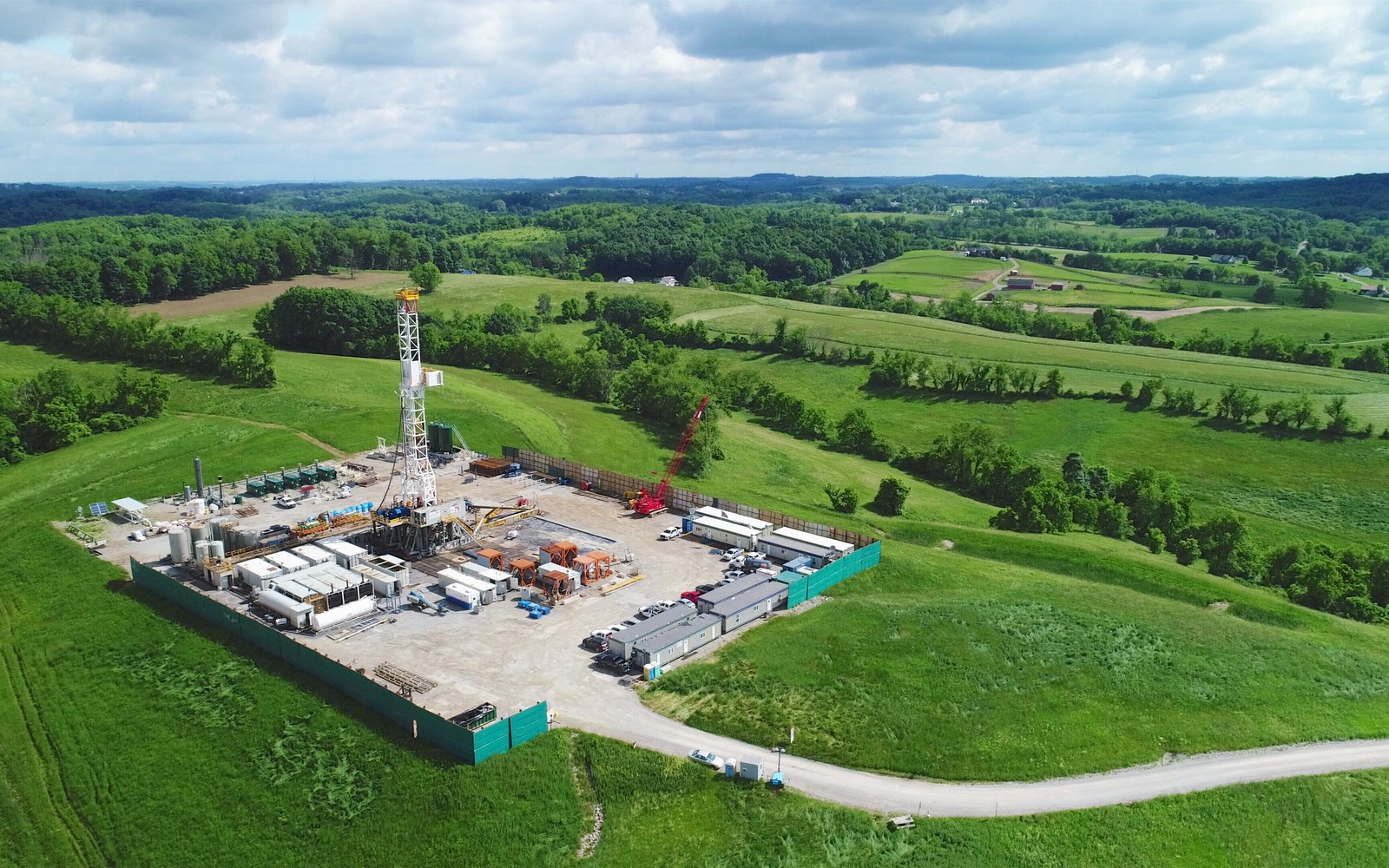
Working Interests
A working interest is the one ownership type where collecting a check is only half the story, you're also on the hook for a share of the bill every time the operator writes one.
Owning a working interest means owning a share of the actual operation: the right to produce oil and gas from a lease, and along with it, a proportional obligation to pay drilling, completion, and ongoing operating costs. That's the fundamental difference from a royalty interest, which collects income free of costs. A working interest owner's net revenue is what's left after their share of expenses comes out, which can be substantial, especially in the early months after a well is drilled.
Working interests come to individuals a few different ways: participating directly in a drilling program as an investor, inheriting a stake from a relative who was an operator or small investor, or receiving one as part of a business transaction. Whatever the path, holding a working interest is a materially different position than holding minerals or a royalty, and it changes how the interest should be valued and sold.
What comes with owning a working interest
A working interest owner is billed their proportional share of costs by the operator, typically through a joint interest billing statement, covering everything from the initial drilling and completion to ongoing lease operating expenses like water disposal, workovers, and equipment repairs. Net revenue is what remains after those costs, which means a working interest can swing from strongly profitable to break-even or worse depending on commodity prices and the well's mechanical condition in any given month.
This cost exposure is exactly why working interests carry more risk than royalty interests, and also why, on a well performing well, they can generate proportionally more income, since the owner captures the full economic upside of production rather than a fixed royalty fraction.
Producing working interests: income and exposure together
A producing working interest with a clean joint interest billing history gives a buyer real data to evaluate, both the revenue side and the cost side, which is a more complex picture than a royalty statement alone. Valuing it means projecting future net revenue after expected costs across the well's remaining decline curve, and factoring in whether major future costs, a workover, new equipment, plugging obligations down the road, are likely.
That plugging and abandonment liability deserves particular attention. Working interest owners generally share in the eventual cost of properly plugging a well at the end of its life, which is a real future obligation that offsets some of the interest's value and that royalty owners never have to think about.
Non-producing or non-operated working interests
A working interest in an undrilled lease, or one temporarily not producing, still carries the same cost obligations if and when the operator resumes activity, without any current income to offset them. That combination of ongoing potential liability and no current cash flow is why non-producing working interests are the hardest of any interest type to value with confidence, and why plenty of owners in this position prefer to exit entirely rather than remain exposed to unpredictable future costs.
Non-operated working interests, where you hold the interest but another company actually runs day-to-day operations, still leave you liable for your proportional share of whatever that operator decides to spend, decisions you have limited ability to influence directly beyond the terms of the joint operating agreement.
Why owners sell working interests
The cost exposure that makes a working interest potentially more profitable also makes it the interest type most likely to surprise an owner with an unexpected bill, a workover, a regulatory compliance cost, an unplanned plugging obligation. For owners who inherited a working interest rather than actively choosing it, or who simply prefer predictable income without operational risk, selling and converting to cash removes that exposure entirely.
We evaluate working interests by reviewing the joint interest billing history alongside production data, assessing both the revenue trend and the cost pattern, and factoring in known future liabilities like plugging obligations before making an offer. It's a more involved review than a royalty interest requires, but we walk owners through exactly what we're accounting for in the number.
Questions owners ask
What's the main risk of owning a working interest versus a royalty?
A working interest owner shares in drilling, operating, and eventual plugging costs, which a royalty interest owner never pays. That cost exposure can turn a producing asset into a net expense in certain months, unlike a royalty that's always free of costs.
Am I liable for costs on a working interest I inherited but never actively managed?
Generally yes, the obligation to pay your proportional share of costs typically transfers with the interest regardless of whether you actively participated in the original decision to drill.
Can I sell a working interest that currently owes money on a joint interest billing?
Yes, but any outstanding balance owed to the operator typically needs to be resolved as part of the transaction, either settled before closing or accounted for in the sale price.
Is a working interest worth more than a royalty interest of the same size?
It depends heavily on costs. On a strong, low-cost well it can generate more net income than an equivalent royalty, but on a marginal or high-cost well, the expense burden can make it worth considerably less once liabilities are factored in.
Want this issue read against your own deed, statements, or offer?
County, legal description, producing status, operator, recent royalty statements, and any offer already received are enough to begin.
Request a Mineral ReviewCall 405-776-9324