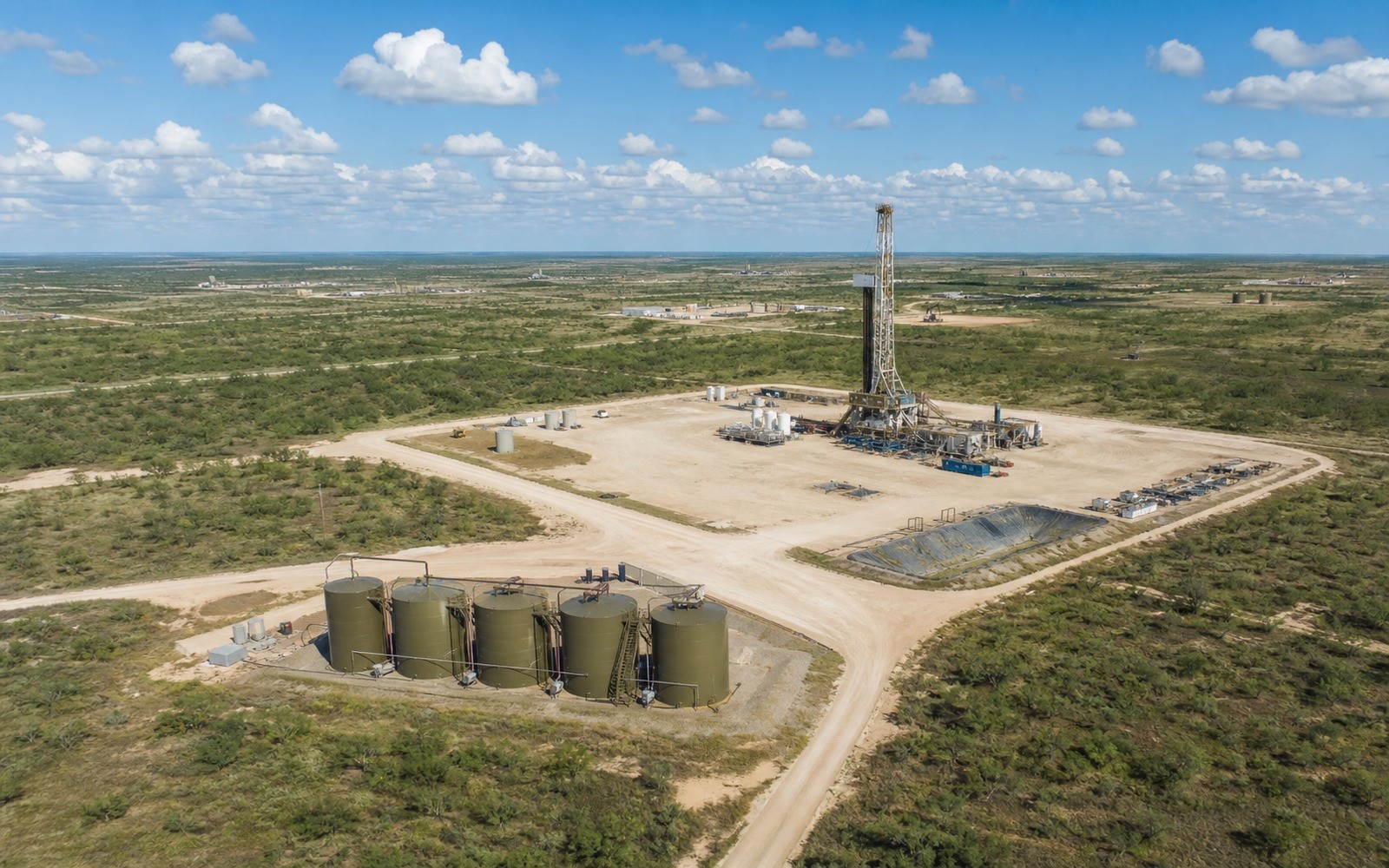
Non-Participating Royalty (NPRI)
An NPRI is one of the more misunderstood interests we run into, because owning one feels a lot like owning minerals until you actually try to negotiate a lease and find out you can't.
A non-participating royalty interest, NPRI for short, is a carved-out right to a share of oil and gas production revenue with no accompanying right to lease the property, receive bonus payments, or participate in negotiating lease terms. It's usually created when a landowner sells or reserves a fraction of future production while keeping, or transferring separately, the executive rights that control leasing decisions.
That distinction, income without control, is the whole story with an NPRI. It shapes how it's valued, how it behaves when the property is leased or re-leased, and what a buyer will pay for it, whether the interest is currently producing or not.
What NPRI owners can and can't do
An NPRI owner has no vote on whether the property gets leased, to whom, or on what royalty rate or bonus terms, that authority sits entirely with whoever holds the executive right. Once a lease is signed by the mineral owner, the NPRI owner's royalty typically applies against the leased royalty rate up to whatever fraction their deed specifies, but they don't sign the lease and don't negotiate its terms.
This matters most when a lease expires and the property sits unleased. An NPRI owner has no ability to force a new lease or negotiate one directly, they're entirely dependent on the mineral owner deciding to lease again. That passive position is the core trade-off of holding an NPRI versus holding the underlying mineral rights themselves.
Producing NPRIs: valuing a known royalty stream
A producing NPRI has the most straightforward valuation of any interest type, since there's a direct royalty statement history to work from and no executive-rights complexity to price in. What matters is the net royalty decimal, the well's production trend and decline stage, and how much term is left on the current lease before the interest reverts to a non-producing, dependent position again.
That last point deserves attention: if the current lease is near the end of its productive life and the underlying mineral owner may or may not re-lease promptly afterward, the NPRI's future income stream carries more uncertainty than a full royalty interest tied directly to ongoing minerals ownership would.
Non-producing NPRIs: value tied to someone else's decision
A non-producing NPRI is entirely dependent on the mineral owner choosing to lease the property, which the NPRI owner has no control over and often no visibility into. This is meaningfully different from owning non-producing minerals outright, where the owner at least controls the leasing decision and can actively pursue an operator. An NPRI owner in this position is waiting on someone else's decision entirely.
That dependency generally makes non-producing NPRIs value at a discount relative to non-producing full mineral interests of comparable size, since there's an added layer of uncertainty about whether and when leasing will even happen. Buyers still purchase these interests, particularly in active plays where the underlying minerals are likely to get leased regardless of any single decision-maker's timeline, but it's priced with that added variable in mind.
Why NPRI holders often decide to sell
Because an NPRI owner has no executive rights, they can't drive their own outcome the way a full mineral owner can. They can't shop the property to multiple operators, negotiate a better bonus, or push for a new lease once one expires. For owners who find that passive, wait-and-see position frustrating, particularly with a non-producing NPRI sitting dormant, converting to cash removes the dependency entirely.
We buy both producing and non-producing NPRIs regularly. Confirming the deed language carefully matters more here than with most interest types, since NPRI deeds vary widely in how they define the royalty fraction and whether it's calculated on a fixed or floating basis relative to the lease's actual royalty rate, and that distinction directly affects value.
Questions owners ask
What makes an NPRI different from a regular royalty interest?
The terms are often used loosely, but an NPRI specifically has no executive rights, meaning it holds no authority over leasing decisions. A general royalty interest may or may not carry executive rights depending on how it was created, so the deed language is what actually controls.
Can an NPRI owner force the mineral owner to lease the property?
No. Leasing authority belongs entirely to whoever holds the executive rights, and the NPRI owner has no legal mechanism to compel a lease, even if the property has been unleased for years.
Is a fixed NPRI worth more than a floating one?
It depends on the lease royalty rate negotiated. A floating NPRI rises and falls with whatever royalty rate the mineral owner negotiates in the lease, while a fixed NPRI pays a set fraction regardless, and each can be more or less favorable depending on the specific numbers involved.
Why would I sell a non-producing NPRI if it might eventually get leased?
Because you have no control over when, or whether, that leasing happens, some owners prefer certainty now over an indefinite wait on someone else's decision. Selling converts that uncertain dependency into a known amount today.
Want this issue read against your own deed, statements, or offer?
County, legal description, producing status, operator, recent royalty statements, and any offer already received are enough to begin.
Request a Mineral ReviewCall 405-776-9324