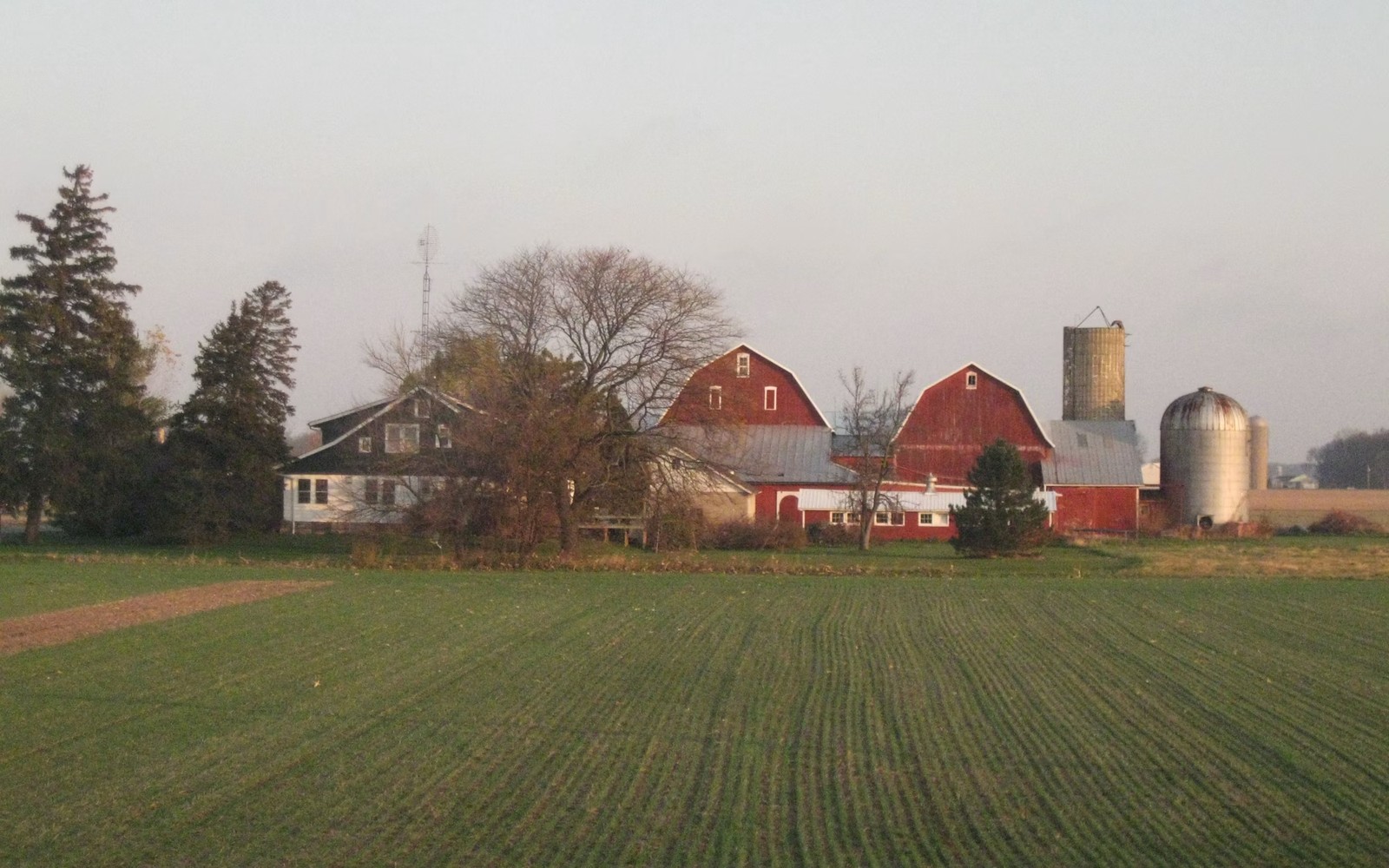
Out-of-State Owners
Managing a mineral interest from another state is manageable when everything's running smoothly and a real headache the moment it isn't.
A lot of the interests we’ve bought over the years belong to people living nowhere near the county where the minerals sit. Someone moves to Phoenix or Charlotte for work, inherits acreage back in Oklahoma or Ohio from a parent, and now owns something they can't easily drive out to check on. That distance changes how practical it is to stay on top of an interest, even a producing one that's paying regularly.
It's not that out-of-state ownership is a problem by itself, plenty of owners do it fine for years. It's that the moment something needs attention, a lease renewal, a division order dispute, an operator change, distance turns a five-minute local fix into a slow back-and-forth by mail and phone.
What gets harder from a distance
Operators sometimes change hands, get bought, or go through bankruptcy, and when that happens owners get notices requiring a response, often with a deadline. If you're local, you can call the county clerk, check a courthouse record, or attend a public meeting about proposed unitization. From out of state, you're relying entirely on mail forwarding and whatever the operator sends, and mail that goes to a stale address is exactly how interests end up in suspense with the operator holding payments they can't confirm are reaching the right owner.
Title issues are the same story. If a neighboring owner disputes a boundary, or a new operator wants updated documentation before resuming payment, resolving it usually goes faster with someone who can pull records in person or knows the local title company, which an absentee owner rarely has easy access to.
Producing interests: the check still comes, but oversight lags
For a producing interest, distance doesn't stop the royalty check from arriving, but it does mean owners are less likely to notice when something's off, a decimal interest that looks wrong, a deduction that increased without explanation, or a well that went off line months ago with no notice sent. Local owners tend to hear about these things through word of mouth well before an out-of-state owner sees it reflected on a statement.
That lag doesn't mean the interest is any less valuable, but it does mean an out-of-state owner should be more deliberate about actually reviewing statements against prior months rather than assuming the deposit amount is correct.
Non-producing interests: nobody's watching the phone
Non-producing acreage depends on staying reachable when a landman calls with a lease offer, and landmen working a hot area move fast, often offering the deal to the next name on the list if they can't reach someone within a reasonable window. An out-of-state owner whose mailing address on file with the county is years out of date can simply get skipped over on a leasing round that neighbors participate in.
Keeping the county assessor and any known operator records updated with a current address and phone number matters more for non-producing acreage than almost anything else an absentee owner can do, since it's the difference between being included in the next lease offer or missing it entirely.
Why a lot of out-of-state owners choose to sell
For owners with a small or modest interest, the return on staying engaged from a distance, reviewing statements, updating addresses, responding to operator notices, often doesn't justify the effort relative to what the interest is paying. Selling converts an asset that requires ongoing attention from afar into a single transaction that's done once and doesn't need monitoring afterward.
We handle the process entirely by mail, email, and phone specifically because most of our sellers aren't local to the county where their minerals sit. We do the courthouse research, confirm the title, and prepare the closing documents so an out-of-state owner isn't the one chasing down records they can't easily access in person.
Questions owners ask
Can I sell mineral rights entirely remotely without traveling?
Yes. We handle title research, offer, and closing documents by mail, email, and phone, and closing typically happens through a notary near you or a mail-away closing, so you never need to visit the county where the minerals sit.
How do I know if my out-of-state minerals are even still active?
Check the state oil and gas commission's online well and permit database by county and legal description, which is public and free in most producing states. We can also research this for you as part of putting together an offer.
What if I haven't received a royalty check in years?
That often means the operator has your payment in suspense due to an outdated address or an unresolved title question, not that the well stopped producing. Updating your address with the operator and the county is worth doing regardless of whether you plan to sell.
Is it harder to sell an out-of-state interest than a local one?
Not from our side. We buy interests across many states and are used to working with owners who've never set foot in the county where their minerals are located.
Want this issue read against your own deed, statements, or offer?
County, legal description, producing status, operator, recent royalty statements, and any offer already received are enough to begin.
Request a Mineral ReviewCall 405-776-9324