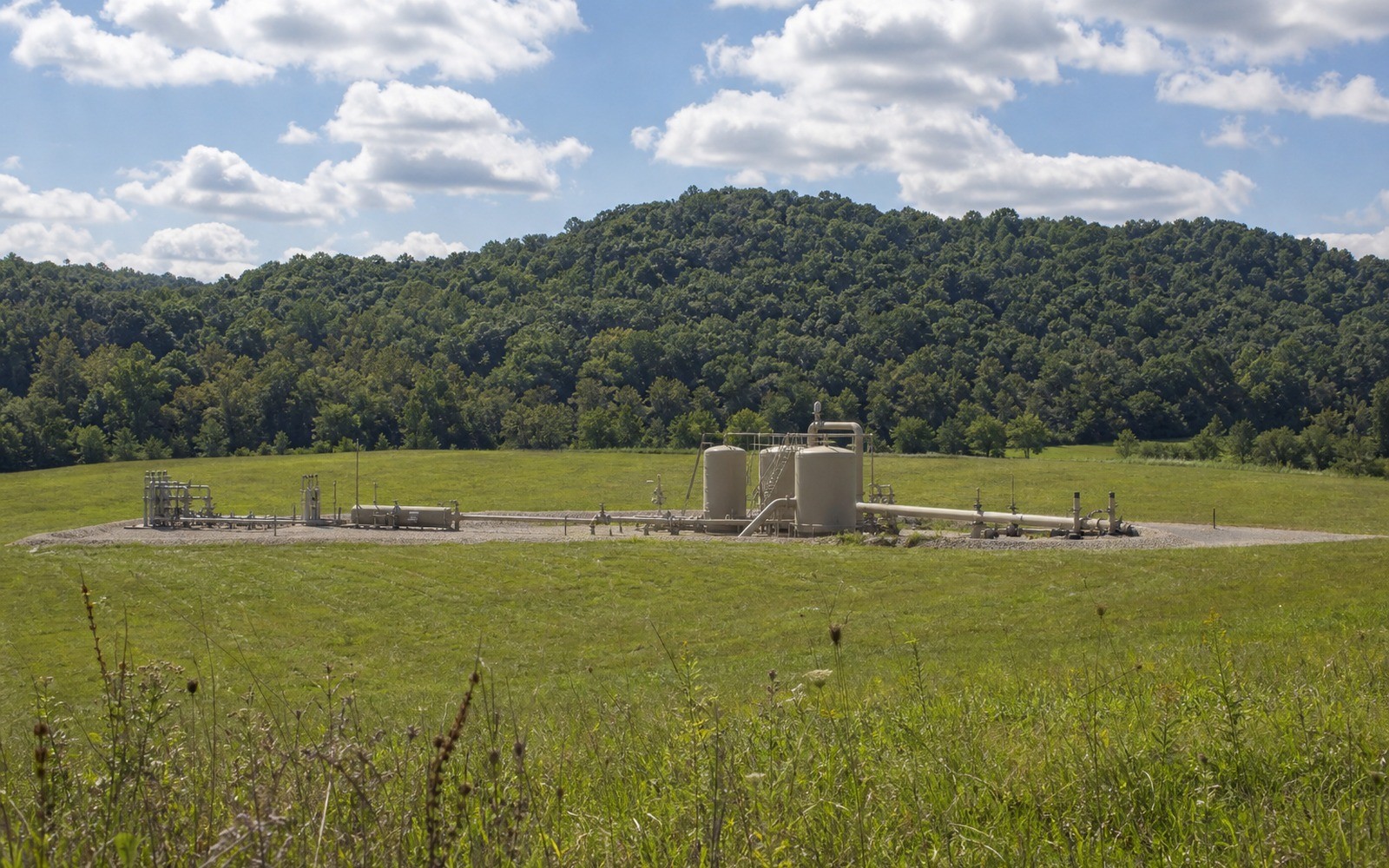
Utica Shale Mineral Rights
Ohio's Utica Shale runs dry gas on one end and liquids-rich oil and condensate on the other, and the county your minerals sit in determines which one you own.
The Utica sits deeper than the Marcellus across much of eastern and southeastern Ohio, with production also extending into western Pennsylvania and the West Virginia panhandle. Belmont, Monroe, Guernsey, and Noble County anchor the dry gas core of the play, while counties further west and southwest, including Carroll and parts of Harrison, have historically produced a richer liquids mix.
That geographic split in commodity type is the first thing we check on any Utica tract, because it directly determines whether your royalty check is primarily a gas-price story or a more complex mix of oil, gas, and NGL revenue.
Dry Gas Core in Eastern Ohio
Belmont and Monroe County sit at the heart of the dry gas Utica, where wells have posted some of the highest gas production rates in Appalachia. If your minerals fall in this core dry gas area, your royalty is closely tied to natural gas pricing, similar in exposure to the northeast Pennsylvania Marcellus dry gas window.
Liquids-Rich Production Further West
Moving toward Carroll County and the western edge of the play, Utica wells have historically produced a richer mix including oil, condensate, and significant NGL volumes alongside the gas. That liquids content adds revenue diversity to your royalty check, though it also means your statement reflects more moving pieces than a pure dry gas well would show.
Deep, Consistent Reservoir With Strong Well Results
The Utica and the underlying Point Pleasant interval have generally delivered strong, consistent well results across the core fairway since horizontal development began in earnest, which has supported sustained operator interest in the play even as activity has ebbed and flowed with commodity pricing over the years. That track record gives us solid data to work from when pricing both producing and non-producing acreage.
Marcellus Often Sits Above the Same Acreage
In much of the Ohio Utica fairway, the shallower Marcellus interval sits above the Utica and can represent a second potential target on the same minerals, though not every operator develops both zones on every tract. Where nearby wells have proven up both intervals, we factor that additional potential into how we approach a non-producing offer.
Ohio's Regulatory Framework and Unitization
The Ohio Department of Natural Resources oversees permitting and unitization for the Utica, and Ohio's mandatory pooling process has historically brought unleased minerals into producing units relatively efficiently compared to some other states. If you've received a unitization notice for your tract, that establishes the terms your royalty will be calculated under, and it's worth reviewing carefully before any sale conversation, since it directly sets the baseline economics we'd be pricing against.
Ohio's severed mineral act also matters for some older Utica interests, since state law includes provisions addressing long-dormant severed mineral rights that can affect ownership status if a tract hasn't seen any development or documented activity for an extended period.
Questions owners ask
Is my Utica Shale interest dry gas or liquids-rich?
It depends on your county. Belmont and Monroe County sit in the dry gas core, while Carroll County and areas further west have historically produced a richer oil, condensate, and NGL mix. Send us your legal description to confirm.
Why does my Utica royalty statement list oil, gas, and NGL revenue separately?
If your acreage sits in the liquids-rich part of the play, your well produces multiple products that are priced and sold independently, which shows up as distinct line items on your division order and statement.
Does the Marcellus above my Utica minerals add any value?
It can, since it represents a second potential target on the same tract where operators choose to develop both zones. We check offset activity to see whether that additional potential applies to your specific acreage.
Has the Utica Shale continued to perform well over time?
Yes, wells across the core fairway have generally delivered strong, consistent results since horizontal development began, which has kept sustained operator interest in the play even through commodity price cycles.
I received a unitization notice from Ohio for my tract. What should I do with it?
Keep it and review it carefully, since it establishes the royalty terms your interest will be calculated under once pooled. Send it to us and we'll factor those specific terms into any offer we put together.
Does Ohio's severed mineral act affect my old Utica interest?
It can, if the interest has gone a long time without any documented development or activity. We check the status of older severed interests as part of reviewing your ownership before making an offer.
How do Ohio Utica well results compare to the Marcellus in Pennsylvania?
Both plays have generally delivered strong, consistent horizontal well results, though the specific commodity mix and pricing differ by county and formation depth. We evaluate each on its own documented production history.
Want this issue read against your own deed, statements, or offer?
County, legal description, producing status, operator, recent royalty statements, and any offer already received are enough to begin.
Request a Mineral ReviewCall 405-776-9324