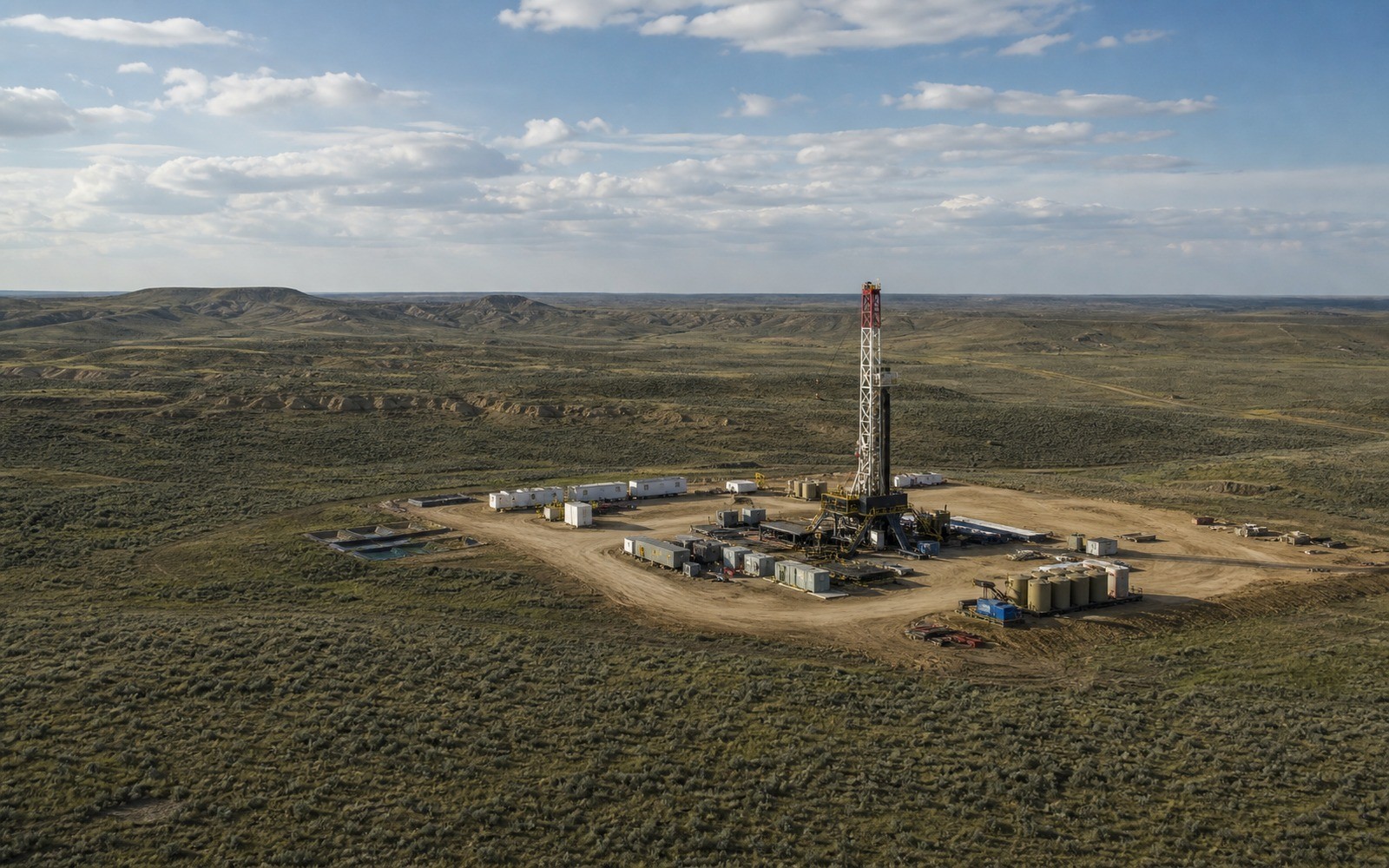
Barnett Shale Mineral Rights
The Barnett was the first modern shale gas play, which means most of what's left here is mature, well-understood, and priced very differently than a new shale.
We worked through the early Barnett boom, back when the combination of horizontal drilling and slickwater fracking first proved out on a large scale in the Fort Worth Basin. That was two decades ago now, and the play has matured considerably since. If you're holding minerals in Tarrant, Denton, Wise, Johnson, or Parker County, you own a piece of the field where modern shale development started.
What that maturity means practically is that almost all of the acreage in the core Barnett has already been drilled at least once, so a non-producing interest here usually reflects a specific gap in an already-developed unit rather than untested frontier rock.
Gas-Dominant With a Long, Slow Tail
Barnett wells produce almost entirely gas with minimal liquids in most areas, so your royalty tracks natural gas pricing closely with little of the oil-price cushion you'd see in the Permian or Eagle Ford. Original Barnett horizontals have been on decline for a long time now, many of them well past their steep early-life curve and into a long, flat, low-volume tail similar to a conventional gas well.
That means production forecasting on an older Barnett well is actually more predictable than on a newer shale completion, since there's years of actual performance data to work from instead of a type curve estimate.
Urban Drilling Created Unusual Ownership Patterns
Part of what made the Barnett unique was drilling under and around the Dallas-Fort Worth metro, including inside city limits in places like Fort Worth itself. That put mineral ownership in the hands of a lot of suburban homeowners who never expected to be mineral owners, alongside the more traditional rural ranch ownership further out. If your interest came from an urban or suburban platted lot rather than acreage, the unit and pooling math works a little differently, and we account for that in how we evaluate the offer.
Little New Drilling, Established Baseline
Rig activity in the core Barnett has been minimal for years, with operators largely maintaining existing production rather than drilling new wells. That's not a negative for a producing interest, it just means we're pricing your acreage on the strength of an established, well-documented production history rather than speculative future development. We pull Texas Railroad Commission records for your specific lease to see exactly how the well has performed over its life.
Checking Deductions on a Mature Gas Well
Older Barnett division orders sometimes carry post-production cost deductions for gathering, compression, and processing that were negotiated under very different gas pricing conditions than exist today. Those deductions matter more, proportionally, on a mature low-volume well than they did when gas prices and volumes were higher, so it's worth understanding what's coming out of your check before you decide what a fair sale price looks like.
What a Reasonable Buyer Should Show You
Because this basin has decades of production data behind almost every unit, we don't have to guess when we quote a Barnett interest. We pull the Railroad Commission lease history for your specific well, look at the current decline trend rather than a single month's check, and walk you through how that history translates into our number. If a buyer offers you a Barnett price without referencing your actual well's production data, ask them where the number came from.
Owners who've held these interests since the original leasing boom sometimes assume the value has collapsed along with the drilling activity. Producing wells with a solid, documented history still carry real value even in a mature, low-activity basin, and it's worth getting an offer before assuming otherwise.
Questions owners ask
Is the Barnett Shale still being actively drilled?
New drilling in the core Barnett is minimal today, with operators mostly maintaining existing wells rather than adding new ones. Most of the play is fully developed, so value comes from established production history.
My mineral interest is under a residential lot in Fort Worth. Is that different?
Urban Barnett minerals came from the same aggressive early-2000s leasing as rural acreage but often sit in smaller, more complex spacing units. We still price these regularly and account for the unit structure in the offer.
Why is my Barnett royalty check so much smaller than it used to be?
Barnett wells are mature and have moved into a long, flat decline tail after years of production. Lower, steadier checks are typical at this stage of the play's life rather than a sign of a problem.
Does the Barnett Shale have any oil production, or is it all gas?
The Barnett is overwhelmingly a dry gas play in most areas, with limited liquids compared to newer shale basins. Your royalty tracks natural gas pricing closely, with little oil revenue to offset a gas price downturn.
How do you value a Barnett interest without recent drilling nearby to compare it to?
We rely on the well's own documented production history rather than nearby drilling activity, since this basin has decades of Railroad Commission data behind most producing units. That history is often more reliable than a comparison to a newer, less-proven basin.
Want this issue read against your own deed, statements, or offer?
County, legal description, producing status, operator, recent royalty statements, and any offer already received are enough to begin.
Request a Mineral ReviewCall 405-776-9324