San Juan Basin Mineral Rights
Few basins in the country have as much documented production history as the San Juan, and that history is the foundation of any honest offer here.
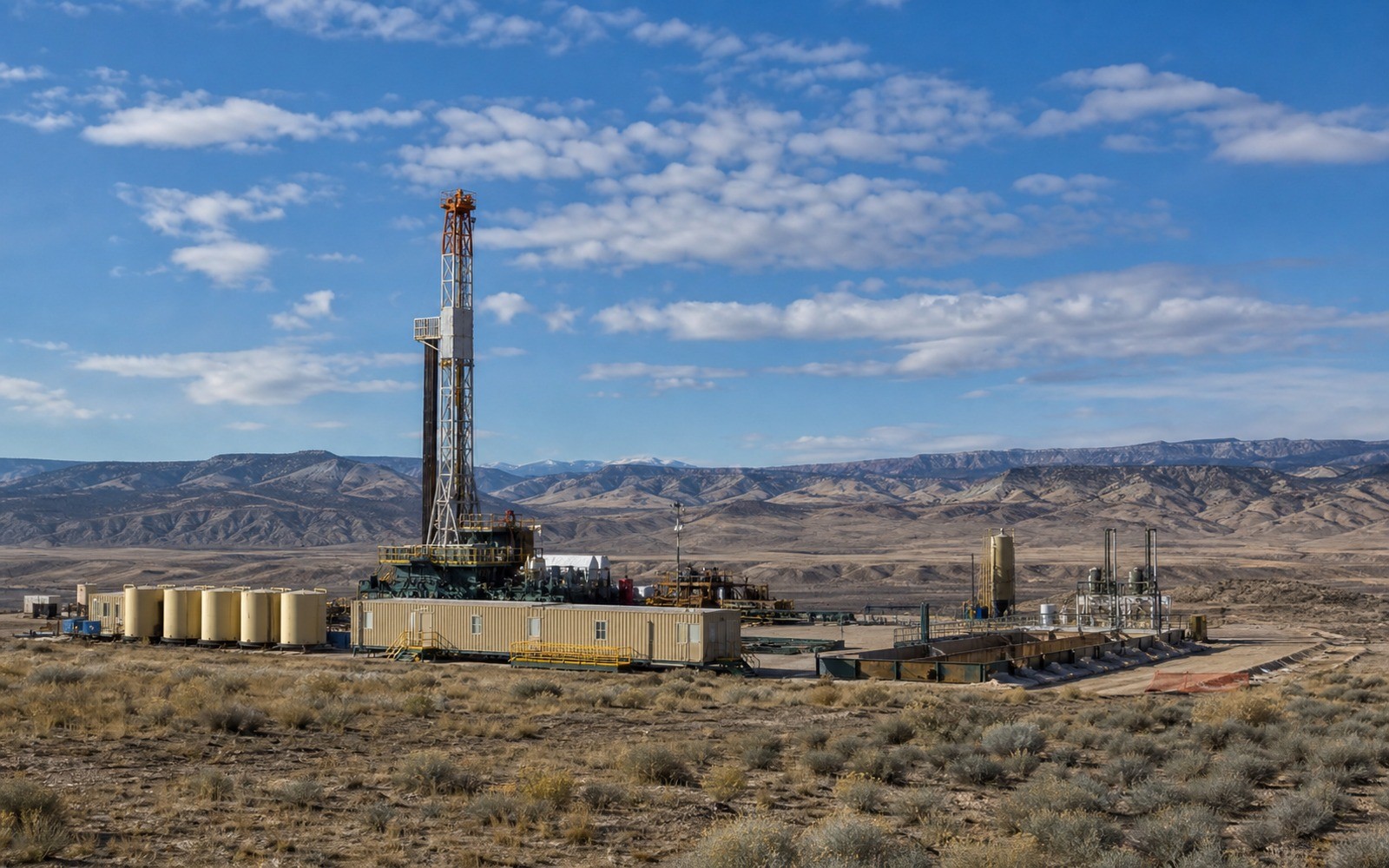
Straddling the Four Corners area of northwest New Mexico and southwest Colorado, primarily San Juan and Rio Arriba County in New Mexico plus La Plata and Archuleta County in Colorado, the San Juan Basin has been producing gas since the 1950s and stands as one of the largest gas fields in the country by cumulative volume. It's a mix of Fruitland coal coalbed methane and Mesaverde and Dakota tight gas sandstone production, often on the same or adjacent acreage.
If you're holding minerals here, you're almost certainly looking at a mature, thoroughly documented interest rather than a speculative undeveloped tract, and that depth of history is genuinely useful when we're putting together a fair offer.
Fruitland Coal and Tight Gas Sandstone Together
The Fruitland coal seam produces coalbed methane with the water-dependent ramp-up behavior typical of CBM wells, while the Mesaverde and Dakota sandstones produce more conventionally as tight gas. Many units in this basin have wells targeting both, so your division order may reflect production from more than one reservoir type feeding into your royalty check.
Extremely Mature Field With Decades of Data
This basin has been continuously produced for over seventy years, which means public production records through the New Mexico Oil Conservation Division and the Colorado Oil and Gas Conservation Commission go back further than almost anywhere else we quote. That depth of history lets us price your interest with real confidence rather than relying on type curves or basin-wide estimates.
Most of the productive area has been developed for a long time, so new drilling activity is limited compared to the basin's earlier boom decades, and non-producing minerals here should be priced with that reality in mind.
Long, Flat Decline Curves Are the Norm
Both the CBM and tight gas production in this basin tend to decline gradually once past their early production years, settling into long, low, predictable output that can continue for decades. If your royalty check has stayed relatively consistent for years without dramatic swings, that's the San Juan Basin's typical mature-field behavior, and it's a genuine strength when we're evaluating your interest for sale.
Dry Gas With Minimal Oil Revenue
This is fundamentally a gas basin, so your royalty is tied to natural gas pricing with little or no oil revenue to offset a downturn. Understanding that exposure matters when comparing an offer here to what you might hear about from an oil-weighted basin like the Permian or Bakken, since the underlying commodity risk is completely different.
Navajo Nation and Tribal Ownership Considerations
A portion of the San Juan Basin overlaps with Navajo Nation and other tribal trust land, particularly on the New Mexico side, and mineral ownership here can involve tribal, federal, state, and private interests within the same general area. If your ownership situation involves tribal trust land or allotted interests, leasing and royalty administration follow a different regulatory framework than a purely private mineral estate, and that's something we identify and account for early in any conversation about your specific tract.
This isn't unusual for the basin, and it doesn't prevent a sale, it just means the paperwork and process look somewhat different than a standard private mineral transaction.
Questions owners ask
Why does my San Juan Basin division order list two different formations?
Many units in this basin have both Fruitland coal CBM wells and Mesaverde or Dakota tight gas wells producing from the same acreage, so it's common to see revenue tied to more than one reservoir type.
Is there still active drilling happening in the San Juan Basin?
New drilling has slowed considerably compared to the basin's earlier development decades, since most of the productive area was developed long ago. Existing wells continue producing at established, well-documented rates.
Why has my San Juan Basin royalty check stayed so consistent over the years?
This basin's wells typically settle into long, flat decline curves after their early production years, which produces steady, predictable checks that can continue for decades, a hallmark of this particular field.
Does the San Juan Basin produce any oil?
Very little. This is fundamentally a natural gas basin, so your royalty is almost entirely tied to gas pricing rather than oil, unlike oil-weighted basins such as the Permian or Bakken.
My minerals are near Navajo Nation land. Does that complicate a sale?
It can involve a different regulatory framework depending on whether tribal trust or allotted land is involved. This is common in parts of the San Juan Basin and doesn't prevent a sale, though we handle the paperwork differently.
Are San Juan Basin royalty checks consistent enough to plan around?
Generally yes, given the basin's mature, well-documented production history and typically gradual decline behavior. That said, individual well performance still varies, so we look at your specific well's history before quoting.
Want this issue read against your own deed, statements, or offer?
County, legal description, producing status, operator, recent royalty statements, and any offer already received are enough to begin.
Request a Mineral ReviewCall 405-776-9324