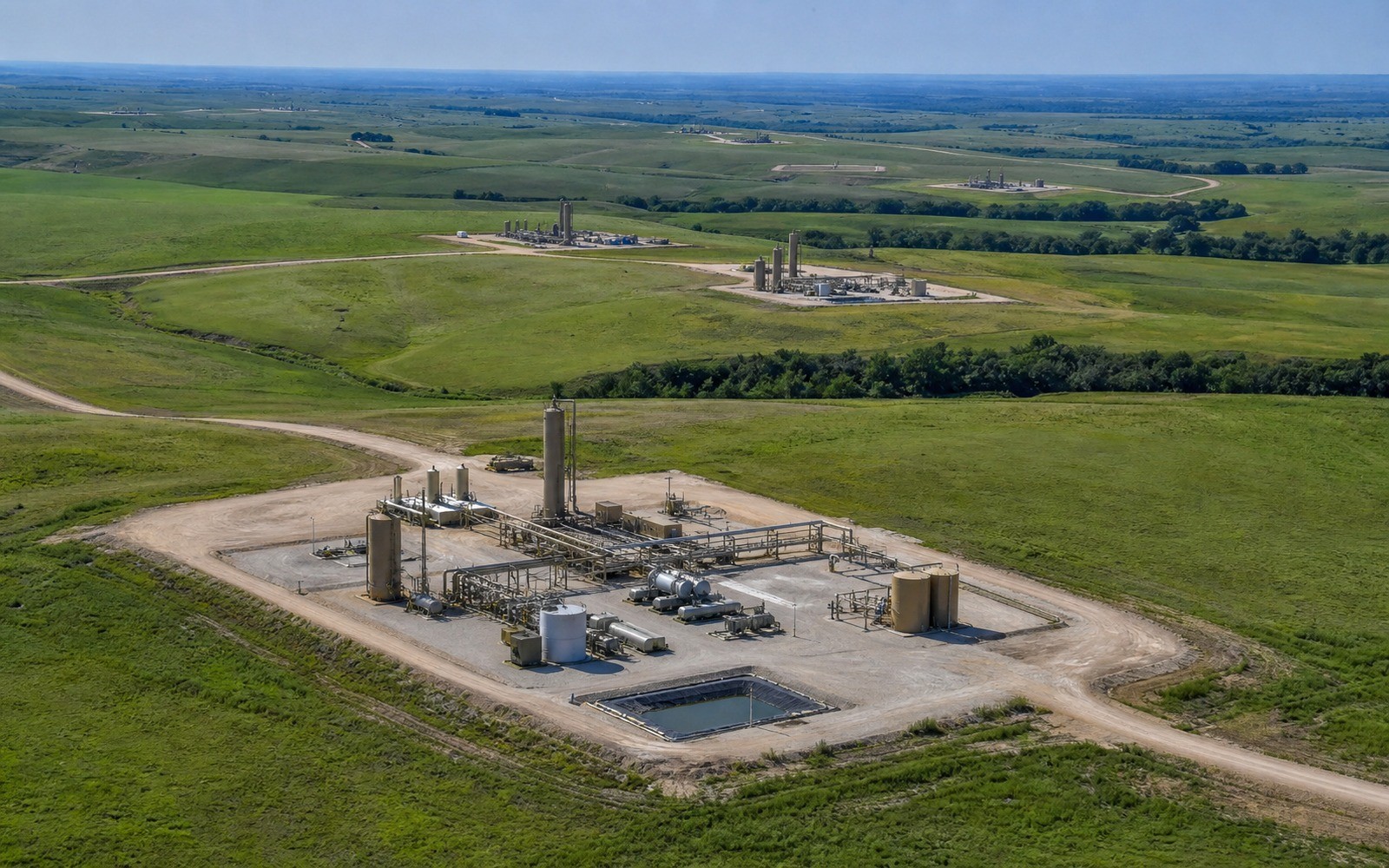
Aging Wells and Aging Owners: When to Sell
Wells age on a curve and owners age on a calendar, and the two rarely line up. Before you hand a depleting asset to your children, it helps to know where each well sits on its own curve.
We spent our careers on the operator side, reading production data, running lease operating budgets, and deciding which wells to keep running and which to shut in. That perspective is useful to an older owner, because the royalty check you receive is the visible end of a chain of decisions made by a field supervisor and an accountant who are comparing the well's revenue to what it costs to lift.
Nobody should sell a mineral interest because of a birthday. The case for selling, or for holding, comes from the wells, the lease, and what your family can realistically manage. Here is how we would look at it.
What a Declining Check Is Telling You
Production from a well falls fast early, then slows toward a long tail. A shale horizontal can lose well over half its initial rate in its first couple of years, then settle into a gentler slope. A conventional vertical well may have been flat for decades. If your checks have trended down for several years, find out whether that is the normal shape of the curve, a price effect, or the start of a well that is approaching its economic limit.
Pull two years of statements and list each well with its first production date, gross volumes, your decimal, and deductions. Deductions deserve a look, because gathering, compression, and treating charges can take a larger share of a small check as volumes fall. A check can shrink faster than the underlying gas or oil when costs are fixed.
Plugging, Shut-Ins, and Who Carries the Risk
Most owners worry first about plugging costs. In a typical lease, the operator and any working interest owners carry plugging responsibility and post bonding with the state, so a royalty owner is generally not billed for it. That can change if you hold a working interest or elected to participate in a well, and it varies by state and lease, so read your documents.
The risk that more often touches a royalty owner is different. When a well stops producing in paying quantities, the lease can terminate under its terms, and the minerals revert to you unleased. That can be an opportunity to re-lease, though disputes over whether production was truly paying are common. Another risk is a sale to a thinly capitalized operator, which may stall payments or leave an orphaned well. State agencies such as the Railroad Commission of Texas and the Oklahoma Corporation Commission keep operator and well records you can search.
What Passing a Depleting Asset to Heirs Looks Like
An asset that is falling in value does not become simpler when it is divided. Four children inheriting an interest can mean four division orders, four tax filings, and checks that fall below an operator's minimum payment threshold and are held until they accumulate. Different heirs may live in different states, and tracts in more than one county can mean ancillary probate work.
Some owners decide that a clean sale now spares the family that burden. Others prefer to keep the interest, particularly if wells are young or acreage is undrilled but well positioned. Both choices are defensible. Decide with your estate attorney and CPA about how it fits your plan, especially the tax treatment for heirs compared with a sale.
How We Look at Older Producing Interests
When we evaluate a late-life interest, we model the decline on each well from its own history, apply a realistic economic limit, and give no credit for development that nobody has permitted. A mature interest is worth what its remaining production supports, and sometimes there is little tail value left. We tell owners when that is the case, because it changes the right decision.
If acreage near an aging well is still open to new drilling, the picture differs, and we treat that upside separately from paid production. Contact us with your statements and legal description, and we will give you a written view of both parts. A conversation costs nothing and obligates you to nothing.
Questions owners ask
Am I responsible for plugging an old well on my minerals?
Usually not if you are a royalty or mineral owner under a lease, since the operator carries it. A working interest or participation can change that, and rules vary by state, so check your documents.
My checks keep shrinking. Is the well about to stop?
Not necessarily. Decline is normal, and a small check can also reflect fixed costs taking a larger share. Look at volumes, deductions, and well age before deciding.
What happens to my lease if a well stops producing?
Depending on the lease language, it may terminate if production stops being paying or ends for an extended period, returning the minerals to you unleased. Disputes over that point are common.
Should I sell before my heirs inherit?
It depends on the wells, the tract, tax treatment, and how manageable the interest is for your family. We can show what a sale would look like. Your advisers weigh the rest.
Why do small checks get held back?
Many states let payors hold payments until they reach a minimum amount, then release them. The thresholds differ by state and operator.
Want this issue read against your own deed, statements, or offer?
County, legal description, producing status, operator, recent royalty statements, and any offer already received are enough to begin.
Request a Mineral ReviewCall 405-776-9324