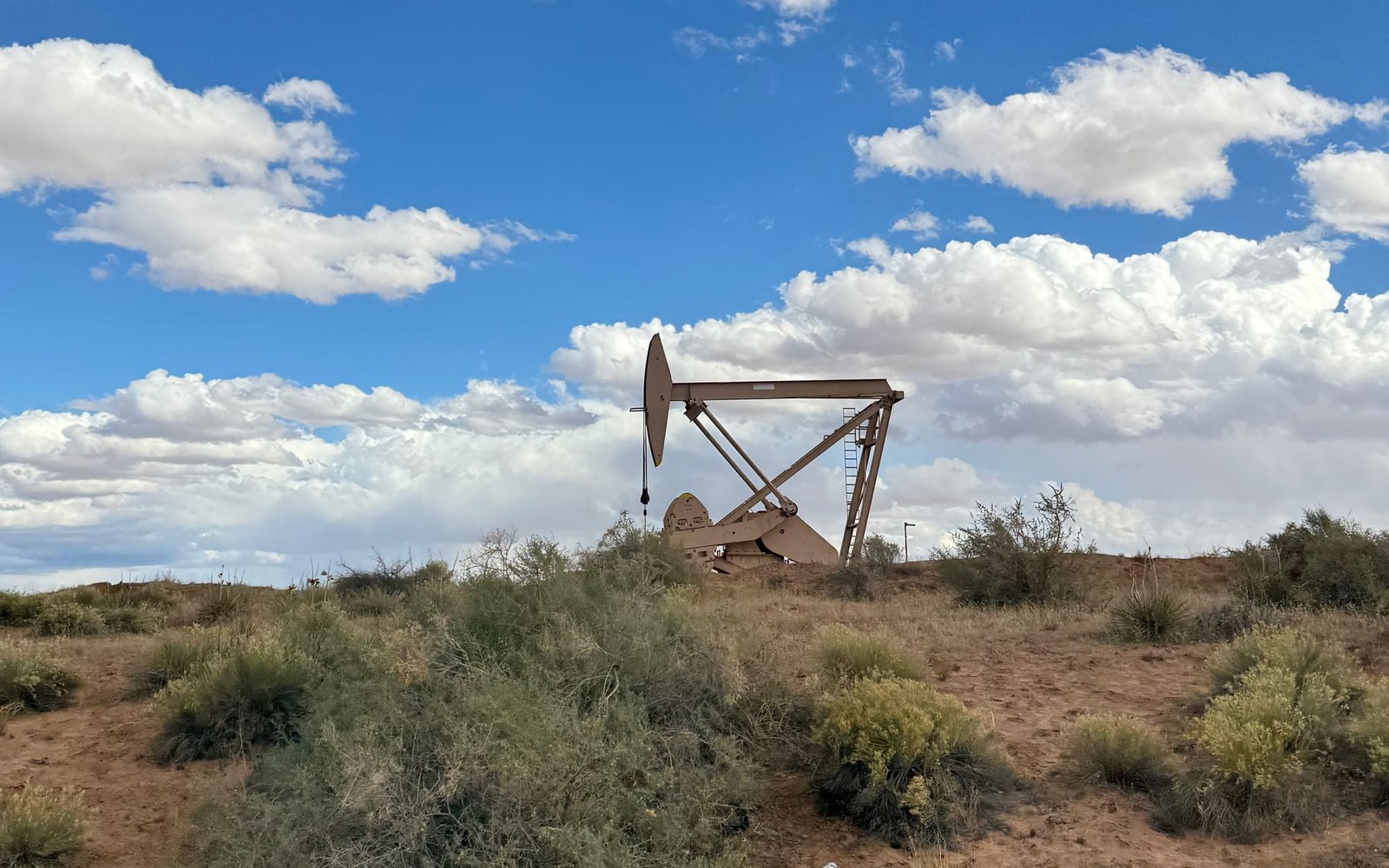
Delaware Basin Mineral Rights
Deep, stacked, and still one of the most actively drilled parts of the Permian, the Delaware Basin rewards owners who sell into current activity rather than guessing at it.
The Delaware side of the Permian is deeper and structurally different from its Midland Basin cousin to the east, and it's held some of the most consistent horizontal rig activity in the country for over a decade now. Reeves, Loving, Ward, Culberson, and Winkler County on the Texas side, along with Eddy and Lea County across the New Mexico line, make up the core of this play.
Because so much of this basin is still under active development, timing and unit-level activity matter enormously to what your interest is actually worth right now, more than almost anywhere else we quote.
Stacked Pay From Wolfcamp Down Through Bone Spring
This basin is deep, and the pay isn't confined to one formation. Operators target multiple Bone Spring benches, several Wolfcamp intervals, and in places the deeper Woodford and Barnett equivalents below that. A single spacing unit here can support many wellbores landed at different depths over the life of the field, which means your minerals may see multiple rounds of drilling activity over time rather than a single well and done.
That stacked structure is a big part of why Delaware Basin minerals often command stronger interest from buyers than a basin with only one productive zone, since it represents more paths to future revenue on the same acreage.
Oil-Weighted With Strong Associated Gas
Delaware wells are generally oil-weighted but produce substantial associated gas and NGLs, sometimes enough that gas processing infrastructure and takeaway capacity become the limiting factor on how fast a well can be brought fully online. If you've noticed gas curtailment or flaring language on a division order or royalty statement, that's a real infrastructure issue in parts of this basin, not a sign your well is underperforming.
Very Active Current Drilling in Most Core Counties
Unlike some of the more mature basins we quote on, the Delaware still sees meaningful rig activity in Reeves, Loving, and Eddy County in particular. We check current permitting and rig data before quoting non-producing acreage here, because a tract that's untested today could see a permit filed on it within months in the more active parts of this play.
Splitting Estates and Water Rights
Delaware Basin deals frequently get complicated by produced water handling agreements and, in some cases, separately conveyed water rights that sit alongside the oil and gas minerals. If your family's ownership includes surface or water considerations beyond the minerals themselves, tell us up front, since it affects how we structure and price the offer.
New Mexico and Texas Have Different Rules
Because the Delaware straddles the state line, minerals in Eddy or Lea County, New Mexico are subject to different regulatory and pooling frameworks than acreage in Reeves or Loving County, Texas. New Mexico's Oil Conservation Division and Texas's Railroad Commission handle spacing, pooling, and reporting differently, and those differences can affect how quickly an unleased interest gets brought into a producing unit. We check which side of the line your minerals are on before assuming how the pooling process will play out.
This is also relevant to non-producing acreage, since New Mexico's forced pooling process and Texas's voluntary unitization approach don't move at the same pace, which affects how soon an untested tract might see activity.
Questions owners ask
Why do Delaware Basin offers change so quickly compared to other basins?
This is one of the most actively drilled basins in the country, so permitting and rig activity shift fast, and pricing follows. An offer that made sense six months ago may already be outdated given current activity in your unit.
Does having multiple pay zones under my minerals increase the value?
Generally yes, since stacked pay means more potential for future wells on the same acreage over time. We factor undeveloped zones into non-producing offers when nearby activity supports it.
My royalty statement mentions gas flaring. Should I be concerned?
Flaring in parts of the Delaware reflects takeaway and processing constraints rather than a problem with the well itself. It's worth monitoring, but it's a known infrastructure issue in busier parts of this basin.
Is Reeves County still seeing active drilling right now?
Reeves County has been one of the more consistently active counties in the play for years. We check current Railroad Commission permits before quoting, since activity levels can shift by section within the county.
What's the difference between Delaware Basin and Midland Basin minerals?
Both are part of the Permian, but the Delaware is generally deeper with more stacked pay zones, while the Midland tends to be shallower with a longer production history. We price each separately based on their distinct geology and activity.
Does it matter whether my Delaware Basin minerals are in Texas or New Mexico?
Yes, the two states handle pooling and unitization differently, which affects how quickly an unleased tract can be brought into a producing unit. We confirm which state your acreage falls in before evaluating a non-producing interest.
Want this issue read against your own deed, statements, or offer?
County, legal description, producing status, operator, recent royalty statements, and any offer already received are enough to begin.
Request a Mineral ReviewCall 405-776-9324