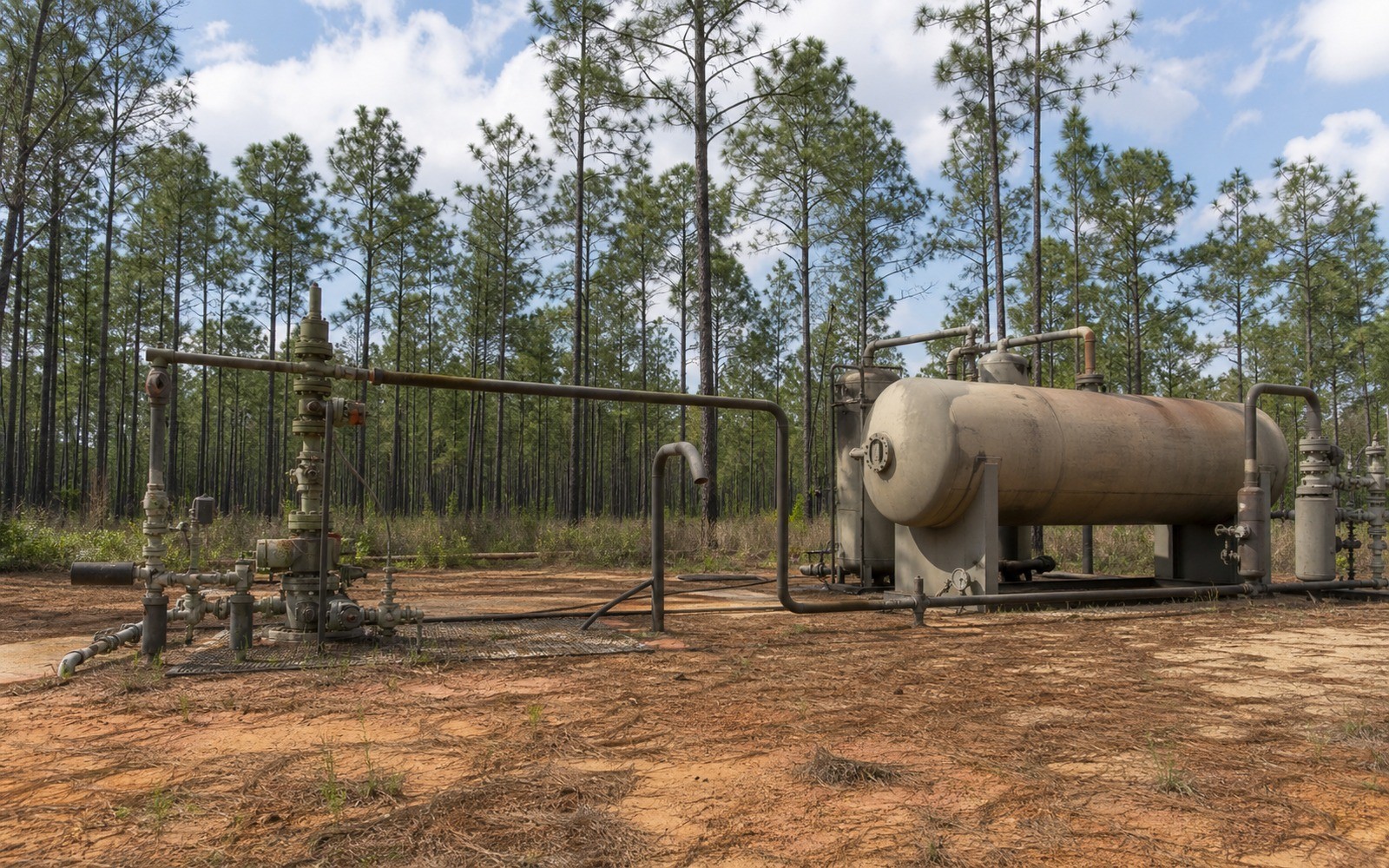
Black Warrior Basin Mineral Rights
Coalbed methane doesn't get the attention shale plays do, but the Black Warrior Basin has been quietly paying royalty owners in Alabama for decades.
The Black Warrior Basin, mostly across Tuscaloosa, Jefferson, Walker, and Fayette County in Alabama, was one of the first places coalbed methane got developed at commercial scale in the United States, going back to the 1980s. If you own minerals here, you're likely holding an interest tied to gas produced from coal seams rather than a conventional shale or sandstone reservoir, and that changes a few things about how the interest behaves.
This basin doesn't make headlines, and honestly, that's part of why owners here sometimes get offers that don't reflect the actual production behind their interest. Buyers who only work the big shale plays don't always understand coalbed methane economics well enough to price it fairly.
How Coalbed Methane Production Actually Works
Gas in the Black Warrior is held in coal seams by water pressure, so wells here typically produce meaningful water volumes early on, with gas rates climbing as the water is pumped down and pressure in the coal drops. That's the opposite pattern from a shale well, which peaks immediately and declines from day one. A Black Warrior CBM well often takes months to reach peak gas production, then holds a long, relatively flat plateau.
Mature Basin, Established Production History
Most of the productive area in the Black Warrior has been developed for a long time, so we're rarely pricing speculative acreage here, we're pricing against decades of real Alabama Oil and Gas Board production data. That's actually an advantage for a mineral owner looking to sell, because there's very little guesswork involved in valuing a producing interest with this much history behind it.
Non-producing minerals in this basin tend to sit outside the historically developed coal fairway, and value there depends heavily on proximity to existing production rather than any near-term drilling expectation.
Small, Steady Checks Are the Norm
Because CBM wells produce at modest, sustained rates rather than the boom-and-bust curve of a shale horizontal, royalty checks here tend to be smaller in absolute dollars but more consistent month to month. If you've held this interest for years and watched it send a quiet, steady check without much drama, that consistency is itself worth something, and we build it into how we value your offer rather than penalizing you for a lower headline number.
Old Leases, Legacy Terms
A lot of Black Warrior leases date back to the original 1980s and 1990s CBM development boom, which means they were negotiated under royalty terms and lease language that look quite different from what's standard today. Some of these older leases carry lower royalty fractions than a modern lease would, and some have unusual habendum clause or shut-in provisions that only make sense in the context of the coalbed methane technology of that era. When we review your paperwork, we're looking closely at exactly what your specific lease actually says, not assuming it matches a modern standard form.
If your family has held the interest since the original leasing, it's worth pulling the actual lease document from the courthouse if you can, since the terms there directly affect both your current royalty rate and how we structure any purchase offer.
Alabama's Regulatory Framework
The Alabama State Oil and Gas Board oversees permitting, spacing, and production reporting for this basin, and its records are generally well organized and publicly accessible going back decades. That regulatory transparency is actually a benefit to you as a seller, since it means we can verify production claims independently rather than relying solely on whatever a buyer or operator tells us about your well's history.
Questions owners ask
Why did my Black Warrior well take so long to start producing gas?
Coalbed methane wells produce water first while the coal seam depressurizes, with gas rates increasing gradually as that happens. A slow ramp-up is normal for this basin and doesn't indicate anything is wrong.
Is coalbed methane gas worth less than shale gas?
No, gas is gas at the sales point and prices the same regardless of the reservoir type it came from. Value differences between interests come from volume, decline behavior, and remaining reserves, not the production method.
How do I find production records for my Black Warrior Basin well?
The Alabama State Oil and Gas Board maintains production records by well and lease. Send us your legal description or division order and we can pull the history to support our offer.
Are there still active operators drilling in the Black Warrior Basin?
Development activity has slowed considerably from the basin's peak, with most current activity focused on maintaining existing wells rather than new drilling. Producing interests still generate steady royalty income from established wells.
My lease is from the 1980s. Does that affect my royalty rate?
It can, since older leases sometimes carry different royalty fractions and terms than a modern standard form. We review your actual lease language, not only the division order, before finalizing an offer.
Want this issue read against your own deed, statements, or offer?
County, legal description, producing status, operator, recent royalty statements, and any offer already received are enough to begin.
Request a Mineral ReviewCall 405-776-9324